
In Home Addiction Treatment in California | H.A.R.T. Method

Addiction is not a single condition, and recovery is not a one-size-fits-all process. Every individual seeking treatment brings a unique combination of medical history, substance use patterns, mental health needs, family dynamics, and life responsibilities. Effective care must account for these differences.
The H.A.R.T. Method was developed in response to this reality.
Personalized in-home addiction treatment recognizes that recovery works best when care adapts to the individual—not when the individual is forced to conform to a rigid system. For many adults and families seeking in home addiction treatment in California, a personalized and medically supervised approach can provide a safe and effective alternative to residential care
The Limits of Standardized Treatment Models
Traditional residential treatment can be appropriate for some individuals, particularly when a safe home environment is not available. However, facility-based care is not the only effective option.
For individuals with stable housing and support, removing them from their environment can:
- Disrupt family and professional responsibilities
- Increase emotional stress related to institutional settings
- Limit the ability to practice recovery skills in real-life contexts
In these cases, structure alone is not enough—care must also be adaptable.
The Home as a Clinical Setting
When properly assessed and medically supported, the home can function as a structured clinical environment. In-home treatment allows individuals to practice coping strategies, emotional regulation, and behavioral changes in real time, with professional support.
The H.A.R.T. Method does not view the home as a shortcut. It treats the home as a setting that can be structured, monitored, and supported with the same level of care expected in traditional programs.
Personalization as a Clinical Standard
Personalized care is not a luxury—it is a safety measure. Factors such as substance type, withdrawal history, physical health, trauma exposure, and emotional resilience all influence treatment decisions.
The H.A.R.T. Method integrates these variables into every care plan to ensure treatment is both compassionate and medically appropriate.
This practical application strengthens confidence and prepares clients for sustained recovery beyond the initial phase of treatment.
What the H.A.R.T. Method Is (and What It Is Not)
As in-home addiction treatment has become more common, confusion has grown around what “treatment at home” actually involves. The H.A.R.T. Method was designed to clearly distinguish structured clinical care from unsupported or unsafe approaches.
What the H.A.R.T. Method Is
The H.A.R.T. Method is a medically guided, clinically structured, multidisciplinary model of care delivered in the client’s home. It integrates medical oversight, therapeutic care, and recovery support into a single, coordinated treatment plan.
This model is built on three core principles:
Clinical Oversight
Addiction is a medical condition. Treatment decisions are guided by clinical assessment, evidence-based protocols, and ongoing monitoring—not convenience or preference alone.
Integrated Care
Medical providers, licensed clinicians, and recovery professionals work collaboratively rather than in isolation. Information is shared appropriately, and treatment plans evolve as the client progresses.
Individualized Structure
Structure is maintained through scheduled care, monitoring, and defined goals—without institutionalization. Treatment adapts to the individual while maintaining clinical accountability.
What the H.A.R.T. Method Is Not
The H.A.R.T. Method is not unsupervised detox at home. Clients are never left to manage withdrawal alone, and non-clinical staff do not make medical decisions.
It is also not a reduced version of rehab. Clinical rigor, licensing standards, and safety protocols are maintained—the setting is simply different.
Finally, it is not a one-size-fits-all program. Treatment intensity and services are adjusted based on clinical need and response.
Ethical Placement and Accountability
In-home care is offered only when it is clinically appropriate. When a higher level of care is indicated, referrals are made. This commitment to appropriate placement protects client safety and reinforces ethical standards.
Clinical Assessment & Individualized Treatment Planning
Safe and effective in-home treatment begins with comprehensive clinical assessment. The H.A.R.T. Method emphasizes careful evaluation to determine whether in-home care is appropriate and how it should be delivered.
Determining Suitability for In-Home Care
Before treatment begins, clinicians evaluate both medical risk and environmental stability. This includes reviewing:
- Substance use history and withdrawal risk
- Prior complications such as seizures or delirium
- Physical health conditions and medications
- Mental health history and current symptoms
- Home safety and available support
In-home treatment is chosen because it is clinically appropriate—not simply preferred.
Medical Risk Stratification
Different substances and histories carry different risks. H.A.R.T. clinicians assess:
- Severity of expected withdrawal
- Monitoring requirements
- Medication needs
- Indicators for escalation if symptoms worsen
This allows care intensity to be matched precisely to clinical risk.
Addressing Co-Occurring Mental Health Needs
Assessment includes evaluation of anxiety, depression, trauma-related symptoms, and emotional regulation challenges. These findings inform therapeutic planning from the outset, ensuring mental health support is integrated rather than delayed.
A Dynamic Treatment Plan
The care plan may include:
- Medically supervised detox
- Medication-assisted treatment when appropriate
- Individual therapy
- Recovery support and structure
- Family involvement guidelines
Plans are reviewed and adjusted regularly as the client stabilizes and progresses.
Medical Care & Withdrawal Management at Home
Withdrawal is often the most physically vulnerable phase of recovery. Without proper medical oversight, detox—particularly from alcohol or benzodiazepines—can be dangerous.
The H.A.R.T. Method places medical safety at the center of in-home treatment.
Understanding Withdrawal Risk
Withdrawal severity varies based on substance type, duration of use, and health history. Potential risks include:
- Seizures or delirium (alcohol, benzodiazepines)
- Cardiovascular instability
- Severe anxiety or agitation
- Increased relapse risk due to unmanaged symptoms
Physician-Guided Detox Protocols
When detox is indicated, clinicians implement individualized protocols that may include medication tapers, symptom-triggered adjustments, and close monitoring. Medications are used thoughtfully to reduce risk and support stabilization.
Ongoing Monitoring and Safety Planning
Clients receive regular medical check-ins and have access to licensed professionals if symptoms change. Clear escalation protocols and emergency planning ensure safety at every stage.
Medical care is delivered with professionalism, respect for privacy, and clear ethical boundaries—treating the home as a legitimate clinical setting.
Therapeutic Care & Co-Occurring Mental Health Support
Physical stabilization alone is not enough for sustained recovery. The H.A.R.T. Method integrates therapeutic care early, recognizing the close connection between substance use and mental health.
Integrated Mental Health Support
Anxiety, depression, trauma-related stress, and emotional regulation difficulties commonly co-occur with substance use. Addressing these factors alongside addiction treatment strengthens long-term outcomes.
Early and Appropriately Paced Therapy
Therapy is introduced thoughtfully during in-home care, focusing on:
- Emotional stabilization
- Identifying triggers
- Building insight without overwhelm
- Establishing therapeutic trust
Timing and intensity are adjusted based on readiness and medical stability.
Trauma-Informed, Coordinated Care
Therapeutic work follows trauma-informed principles, emphasizing safety, choice, and respect. Ongoing coordination between medical and clinical providers ensures treatment adapts to both physical and emotional needs.
Real-World Skill Building
Because care occurs at home, clients practice coping skills, communication, and boundary-setting in real situations—with professional support—preparing them for life beyond initial treatment.
Daily Structure, Monitoring, and Accountability
Effective recovery requires structure, consistency, and accountability—especially during early stabilization. One of the most common misconceptions about in-home treatment is that it lacks these elements. The H.A.R.T. Method was intentionally designed to provide clear structure without institutionalization.
Structured Care Within Daily Life
Rather than removing clients from their routines, the H.A.R.T. Method builds structure around real life. Clients follow individualized schedules that may include:
- Medical check-ins
- Therapy sessions
- Recovery support visits
- Skill-building and wellness activities
This structure creates predictability while remaining flexible enough to adapt to the client’s needs and progress.
Supportive Accountability
Accountability in the H.A.R.T. Method is collaborative, not punitive. Recovery professionals help clients:
- Stay engaged with treatment
- Navigate cravings and emotional challenges
- Build consistency in healthy routines
Progress is monitored clinically, allowing the care team to adjust support levels as needed rather than relying on rigid rules or consequences.
Ongoing Progress Evaluation
Throughout treatment, clinicians assess:
- Symptom stability
- Engagement with care
- Emerging stressors or risk factors
- Readiness for the next phase of recovery
This continuous evaluation ensures that structure remains appropriate and effective at every stage.
Family Involvement and Systems-Based Healing
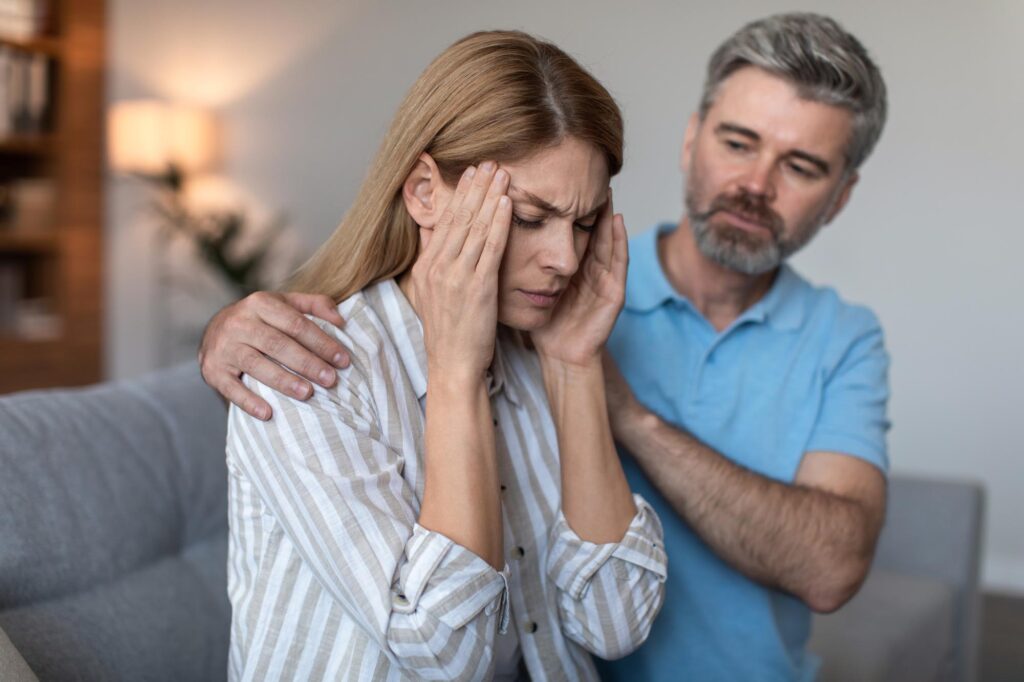
Addiction affects more than the individual—it impacts families, relationships, and support systems. When appropriate, the H.A.R.T. Method encourages thoughtful family involvement as part of the recovery process.
Supporting Families Without Overburdening Them
Family involvement is never automatic or forced. Instead, it is guided by:
- Client consent
- Clinical appropriateness
- Family readiness and capacity
When included, families receive education about addiction, recovery expectations, and how to provide healthy support without enabling.
Strengthening the Recovery Environment
Families may be supported in:
- Establishing healthy boundaries
- Improving communication
- Reducing stressors in the home
- Understanding how to respond to challenges during recovery
This systems-based approach helps create a more stable environment, which supports long-term outcomes for everyone involved.
Privacy, Dignity, and Ethical Care at Home
Concerns about stigma, exposure, or loss of autonomy prevent many individuals from seeking treatment. The H.A.R.T. Method addresses these concerns directly by prioritizing privacy, dignity, and ethical standards.
Preserving Confidentiality
In-home care allows clients to receive treatment discreetly, without entering a public facility or disrupting professional and personal roles. Care is delivered with respect for boundaries, confidentiality, and the client’s sense of control.
Ethical Standards and Professional Boundaries
Providing care in the home does not reduce professional expectations. H.A.R.T. clinicians maintain:
- Clear ethical guidelines
- Clinical documentation standards
- Professional boundaries
- Appropriate referral practices when higher care is needed
This commitment ensures that in-home treatment remains safe, respectful, and clinically responsible.
Continuity of Care — What Happens After Detox
Detox and early stabilization are only the beginning of recovery. Long-term success depends on what comes next. The H.A.R.T. Method emphasizes continuity of care, ensuring clients are not left without direction or support.
Planning the Next Phase of Recovery
As clients stabilize, the care team collaborates to determine appropriate next steps, which may include:
- Continued in-home therapeutic care
- Outpatient or intensive outpatient programs
- Ongoing mental health treatment
- Recovery support and aftercare planning
These recommendations are based on clinical progress, personal goals, and ongoing risk assessment.
Supporting Long-Term Stability
Transition planning focuses on:
- Strengthening coping skills
- Identifying ongoing supports
- Reducing relapse risk
- Maintaining accountability
By planning ahead, clients move forward with clarity rather than uncertainty.
Myth vs. Fact — Understanding In-Home Treatment
Myth: In-home addiction treatment is less effective than rehab.
Fact: When medically appropriate, the H.A.R.T. Method delivers clinical care equal to or exceeding traditional programs, with the added benefit of real-world application.
Myth: Detox at home is unsafe.
Fact: Unsupervised detox is unsafe. Medically guided, closely monitored in-home detox can be safe and effective for appropriate candidates.
Myth: In-home care lacks structure.
Fact: The H.A.R.T. Method provides structured schedules, monitoring, and accountability—without institutionalization.
A Thoughtful, Personalized Path to Recovery
The H.A.R.T. Method reflects a simple but powerful belief: recovery works best when care is safe, personalized, and compassionate. By integrating medical oversight, therapeutic support, and recovery structure within the home, H.A.R.T. Recovery Care offers an evidence-based alternative for individuals and families seeking private, professional addiction treatment in California.
Recovery is not about fitting into a system—it’s about building a system that fits the person.
Frequently Asked Questions About In-Home Detox and Treatment
What professionals are involved in a safe in-home detox?
A safe in home detox requires a coordinated team of licensed and experienced professionals. Under the H.A.R.T. Method, care may involve:
- Medical providers who assess withdrawal risk, prescribe and manage medications, and oversee medical safety
- Licensed clinicians or therapists who address mental health needs and provide therapeutic support
- Recovery professionals who offer daily structure, monitoring, and emotional support
These professionals work collaboratively rather than independently, ensuring medical decisions, therapeutic care, and recovery support are aligned throughout the detox and stabilization process.
Importantly, non-clinical staff do not make medical decisions, and detox is never managed without professional oversight.
Learn more in our article about what makes an at home detox safe.
How does H.A.R.T. monitor clients remotely during in-home care?
Remote monitoring is an important part of maintaining safety during in-home treatment. H.A.R.T. uses structured clinical check-ins and ongoing communication to track client stability between in-person visits.
Monitoring may include:
- Regular symptom assessments
- Scheduled virtual or phone-based check-ins
- Ongoing communication with medical providers
- Clear escalation protocols if symptoms change or concerns arise
This approach allows clinicians to identify changes early and adjust care as needed, helping prevent complications while maintaining continuity of support.
Who is a good candidate for in-home detox and treatment?
In-home detox and treatment can be appropriate for individuals who have a stable and safe home environment, are medically appropriate for outpatient-level withdrawal management, and are willing to engage in professional care.
Good candidates often include individuals who:
- Do not have a history of severe withdrawal complications without medical support
- Have stable housing and a predictable environment
- Are motivated to engage in treatment and follow clinical guidance
- May benefit from privacy, flexibility, or continuity with daily responsibilities
A comprehensive clinical assessment is always required. If in-home treatment is not appropriate, ethical providers will recommend a higher level of care to ensure safety.
What happens if someone needs a higher level of care during in-home treatment?
Client safety is the highest priority. Throughout treatment, H.A.R.T. clinicians continually assess medical and emotional stability. If symptoms escalate or additional support is needed, the care team follows predefined escalation protocols.
This may include:
- Increasing the level of medical monitoring
- Adjusting medications or treatment intensity
- Coordinating a transition to a higher level of care when clinically indicated
Because safety planning is established from the beginning, transitions—if needed—are handled thoughtfully and promptly, without leaving clients or families uncertain about next steps.

Contact H.A.R.T. Recovery Care today to discuss how our in-home programs can support your recovery while maintaining the professional life you’ve built. Your journey toward wellness starts with a single, confidential conversation.
Reach out to our California team today to start your recovery without leaving home.