
Sleep Support During Alcohol Withdrawal in Fresno and Throughout California
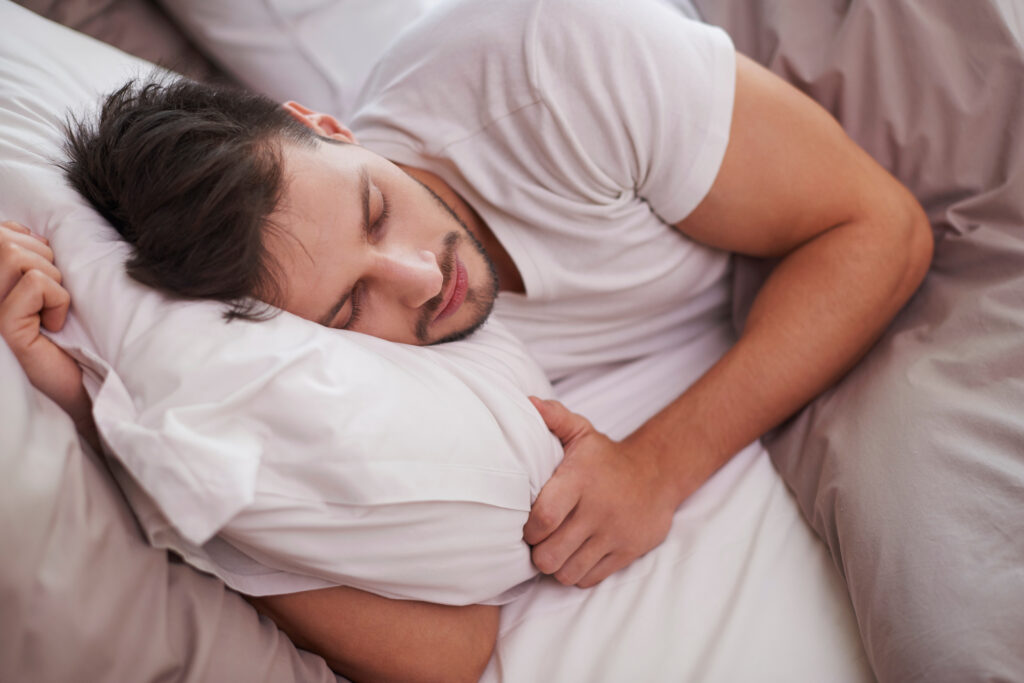
Trouble sleeping is one of the most common—and most distressing—symptoms during alcohol withdrawal. Many people feel exhausted but unable to rest. Others fall asleep briefly only to wake up anxious, sweating, or with racing thoughts.
If you’re asking “How do I sleep during withdrawal?” you’re not alone.
Sleep disruption during withdrawal is extremely common, especially during alcohol detox. While some natural strategies can help ease anxiety and support rest, it’s also important to understand when insomnia is a sign that medical support may be needed.
This guide explains why sleep is so difficult during withdrawal, natural ways to ease anxiety and insomnia, and when to seek help—especially for individuals in Fresno and throughout California.
Why Sleep Is So Hard During Alcohol Withdrawal

Alcohol affects the brain’s sleep-wake cycle. While it may feel like alcohol helps with sleep, long-term use actually disrupts natural sleep patterns.
When alcohol is removed, the brain struggles to regulate:
- relaxation
- anxiety
- REM sleep
- circadian rhythm
As a result, withdrawal often includes:
- difficulty falling asleep
- frequent waking
- vivid or disturbing dreams
- night sweats
- racing thoughts
- panic-like symptoms
This can be frightening, especially if someone is already anxious.
Is Withdrawal Insomnia Dangerous?
Insomnia itself is not usually dangerous—but what it signals can be.
Severe sleep disruption during alcohol withdrawal can:
- worsen anxiety
- increase blood pressure and heart rate
- intensify cravings
- reduce emotional regulation
- increase relapse risk
In some cases, insomnia occurs alongside other symptoms that require medical attention.
Knowing which alcohol withdrawal symptoms should never be ignored can help keep people safe.
Natural Ways to Ease Anxiety and Insomnia During Withdrawal
Natural supports focus on calming the nervous system and creating conditions for rest—not forcing sleep.
1) Create a Calm Sleep Environment
The nervous system is already overstimulated during withdrawal. Reducing stimulation can help.
Helpful adjustments include:
- keeping the room cool
- darkening the room
- limiting noise
- removing screens from the bed
- using white noise or calming sounds
These small changes can make a noticeable difference.
2) Use Consistent Sleep and Wake Times
Even if sleep is poor, consistency helps regulate the body’s internal clock.
Try to:
- go to bed at the same time
- wake up at the same time
- avoid sleeping all day
This supports gradual circadian rhythm repair.
3) Support the Nervous System Before Bed
Withdrawal activates the “fight or flight” response.
Natural calming strategies include:
- slow, deep breathing
- grounding exercises
- progressive muscle relaxation
- warm showers
- gentle stretching
These tools help signal safety to the brain.
3) Support the Nervous System Before Bed
Withdrawal activates the “fight or flight” response.
Natural calming strategies include:
- slow, deep breathing
- grounding exercises
- progressive muscle relaxation
- warm showers
- gentle stretching
These tools help signal safety to the brain.
5) Nutrition and Blood Sugar Support
Low blood sugar can worsen:
- anxiety
- restlessness
- waking during the night
Helpful strategies:
- eat a balanced evening meal
- include protein
- avoid heavy sugar late at night
- keep a light snack available
Stable blood sugar can improve sleep quality.
6) Hydration (But Not Overdoing It)
Dehydration can worsen withdrawal symptoms—but drinking too much right before bed can interrupt sleep.
Aim to:
- hydrate consistently during the day
- reduce fluids right before bedtime
7) Be Cautious With Supplements
Many people reach for supplements during withdrawal—but caution is essential.
Some supplements can:
- worsen anxiety
- interact with medications
- affect heart rate or blood pressure
Common examples people misuse:
- high-dose melatonin
- “sleep blends” with multiple herbs
- alcohol as a sleep aid (dangerous)
Supplements should only be used with medical guidance during withdrawal.
What NOT to Do to Sleep During Withdrawal
Some approaches seem logical but can backfire.
Avoid:
- alcohol “just to sleep”
- excessive sedating supplements
- mixing substances
- extreme exercise late at night
- isolating in panic
Withdrawal insomnia improves with time—not shortcuts.
How Long Does Withdrawal Insomnia Last?
Sleep disruption often improves gradually.
For many people:
- the worst insomnia occurs in the first few days
- sleep begins to stabilize over 1–2 weeks
- full sleep normalization can take longer
Understanding the alcohol withdrawal timeline can help set realistic expectations.
When Sleep Problems Signal a Bigger Issue
Seek medical help if sleep problems are accompanied by:
- confusion
- hallucinations
- severe agitation
- seizures
- chest pain
- worsening withdrawal symptoms
Knowing what to do if withdrawal symptoms get worse at home can prevent emergencies.
Sleep Support During Alcohol Detox at Home in California
Many people in California consider detoxing at home for privacy. While sleep disruption is common, safety matters more than setting.
Responsible detox support includes:
- medical assessment
- monitoring
- safety planning
- symptom management
Natural sleep support works best alongside professional oversight.
Alcohol Withdrawal Sleep Problems in Fresno
For individuals in Fresno, anxiety and sleep disruption during withdrawal are common reasons people seek help.
Local, in-home support models can sometimes provide:
- monitoring
- reassurance
- structure
- safety planning
This can reduce fear during the most uncomfortable nights.
Recovery Sleep Improves After Withdrawal
The good news: sleep does improve.
As the brain heals:
- anxiety reduces
- sleep cycles normalize
- dreams become less intense
- energy returns
This process takes patience and support.
Learn More About Sleep Support During Withdrawal
Difficulty sleeping during withdrawal can feel overwhelming, especially when paired with anxiety. While natural strategies can help calm the nervous system and support rest, severe or worsening symptoms should never be ignored.
For individuals in Fresno and throughout California, HART Recovery Care provides medically guided detox support at home when appropriate, helping individuals manage withdrawal symptoms safely—including anxiety and insomnia.
Learn More
If you’re struggling with sleep during withdrawal and want help understanding what’s safe, what’s normal, and when to seek support, learning more can help you feel less alone and more protected.