
Gabapentin withdrawal can occur after the medication is stopped or reduced too quickly. Reported symptoms include anxiety, poor sleep, sweating, nausea, and pain. Serious reactions can also occur. A medical provider should guide any dose changes and assess whether care at home is appropriate.
You might have missed doses, run out early, or tried to stop because you no longer wanted to take the medication. If you feel unwell afterward, contact your prescriber rather than trying to work out a withdrawal plan alone.
Call 911 for a seizure, difficulty breathing, inability to wake someone, or severe confusion. Seek immediate help if you cannot keep yourself safe because of thoughts of self-harm.
What is gabapentin withdrawal?
Gabapentin, sold under the brand name Neurontin, is a prescription anticonvulsant used for certain seizures and nerve pain after shingles. Clinicians also prescribe it for other conditions.
Withdrawal describes symptoms that can develop when a body that has adapted to a medication encounters a sudden stop or substantial dose reduction.
Physical dependence can develop during prescribed treatment. It does not, by itself, mean someone has an addiction. Addiction involves additional problems with controlling substance use and continuing despite harm. The National Institute on Drug Abuse explains this distinction.
That difference matters when seeking help. Someone who has taken every dose as directed may need support discontinuing a prescription. Someone who is taking extra doses or combining substances may also need an assessment for misuse.
Gabapentin withdrawal symptoms to watch for
MedlinePlus lists withdrawal symptoms such as anxiety, difficulty sleeping, nausea, pain, and sweating. The NHS also describes agitation, restlessness, shaking, and palpitations.
Possible symptoms include:
- Anxiety, agitation, or feeling unusually restless
- Trouble falling asleep or staying asleep
- Sweating or shaking
- Nausea
- Body aches or pain
- A noticeable or racing heartbeat
New confusion, unusual behavior, or worsening mood also needs medical attention.
Symptoms after stopping a medication can have more than one cause. Pain returning, for example, may reflect the condition gabapentin was treating. Tell your provider what changed and when, rather than assuming every symptom is withdrawal.
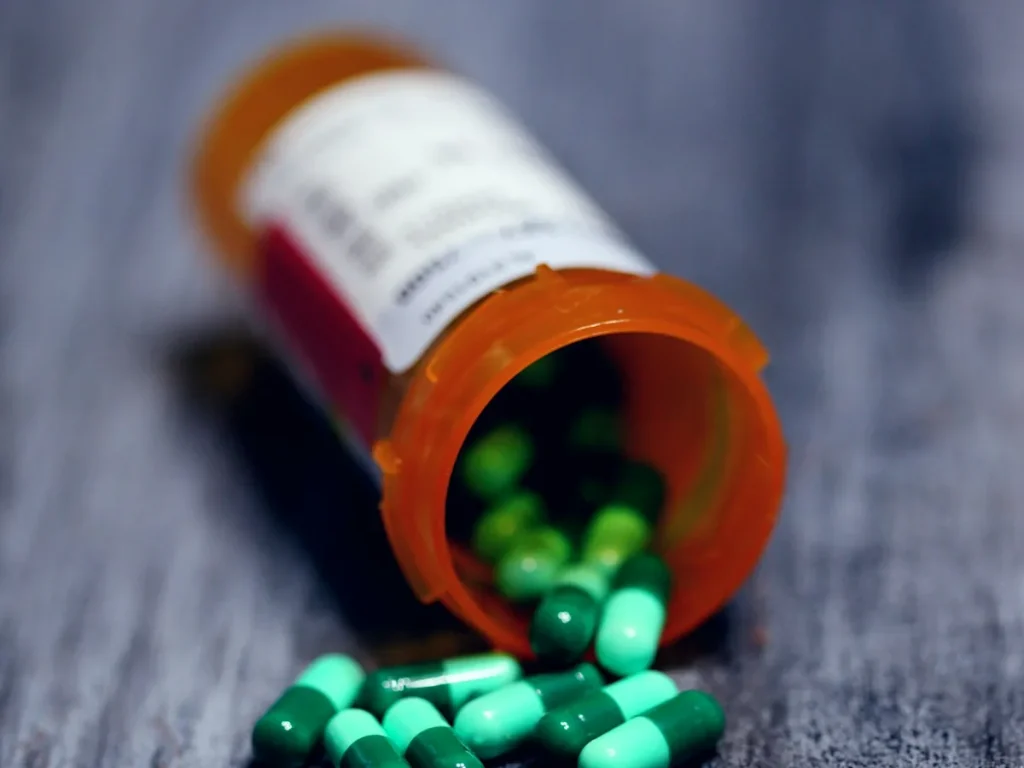
Gabapentin withdrawal timeline and how long symptoms last
There is no reliable day-by-day timeline that applies to everyone. The FDA’s 2025 Neurontin prescribing information states that withdrawal symptoms usually occur within 48 hours after discontinuation. That describes onset, not how long symptoms will last.
Published reports show variation. A case report in Bipolar Disorders described an older adult whose symptoms began after a one-week taper and worsened over subsequent days. One case cannot establish a typical experience, but it shows why a short taper does not guarantee an uncomplicated recovery.
A practical way to understand the timeline is:
| Stage | What it means for your care |
|---|---|
| Before reducing the dose | Discuss your medication history, reasons for stopping, and follow-up plan with the prescriber. |
| After a reduction or the last dose | Report new symptoms, including changes in sleep, mood, or physical comfort. |
| If symptoms persist or worsen | Ask for reassessment instead of relying on a fixed deadline for recovery. |
The time needed to taper and the duration of withdrawal symptoms are different questions. Ask your provider about both.
Can you quit gabapentin cold turkey?
Do not stop gabapentin suddenly without medical guidance. Abrupt discontinuation can increase seizure frequency in people taking it for epilepsy.
The FDA-approved Neurontin label recommends tapering over at least one week. That is a minimum labeling recommendation, not a universal seven-day schedule. Your prescriber may recommend a longer plan.
Bring your actual dose and dosing pattern to the appointment, including any extra doses. Also discuss kidney problems, seizure history, and previous symptoms during dose changes.
If you run out unexpectedly, contact your prescriber or pharmacist promptly. Do not substitute someone else’s medication or double doses to compensate.
Why opioids, alcohol, and other sedatives matter
The FDA warns about serious breathing problems when gabapentin is used with opioids or other medications that depress the central nervous system. Older adults and people with underlying breathing problems face additional risk.
Tell your provider about alcohol, opioid pain medicines, benzodiazepines, sleep medications, and nonprescription products. Alcohol can increase gabapentin-related drowsiness.
If you are also planning to stop alcohol or another medication, explain that before changing anything. Your care plan needs to account for each substance.
HART’s alcohol treatment information can help you explore options when alcohol use is part of the picture.
Can gabapentin withdrawal be managed at home?
Some people can discontinue gabapentin through care coordinated with their prescriber. Others may need closer monitoring or a different treatment setting. Symptoms, medical history, other substances, and available support help guide the decision.
H.A.R.T. Recovery Care offers prescription drug misuse treatment at home, including medical assessment, tapering support, symptom monitoring, and coordination with existing prescribers.
If gabapentin is your concern, contact HART to ask whether its services fit your situation. The team should evaluate your needs before recommending in-home care.
Questions to ask include:
- Can your team assess my gabapentin use and coordinate with my prescriber?
- What follow-up would be available during dose changes?
- Which symptoms would require urgent care?
- What happens if I need a higher level of care?
Learn about HART’s medically supervised in-home detox and confirm eligibility rather than assuming a home setting is appropriate.
What to tell your provider before stopping gabapentin
Write down:
- The medication name, formulation, and prescribed dose
- How much you actually take and how long you have taken it
- When you last took a dose
- Symptoms after missed doses or previous reductions
- Other medications, alcohol, or substances you use
You can start with: “I want to stop gabapentin, but I feel unwell when I miss a dose. Can we make a plan?”
Frequently asked questions about gabapentin withdrawal
How long does gabapentin withdrawal last?
There is no established duration that fits everyone. Symptoms may begin soon after stopping, but their course varies. Persistent or worsening symptoms need medical assessment.
Can gabapentin withdrawal cause seizures?
Seizures have been reported after discontinuation. Sudden stopping is particularly concerning for people taking gabapentin for epilepsy. Seek medical guidance before changing your dose.
Is gabapentin addictive?
Some people develop problematic gabapentin use. Physical dependence and withdrawal alone do not establish addiction. A clinician can assess the pattern and recommend appropriate support.
What helps with gabapentin withdrawal?
A prescriber-guided taper, follow-up, and assessment of new symptoms are central to care. Your plan should also address the condition gabapentin was treating. Do not self-treat symptoms with alcohol or unprescribed sedatives.
Talk with HART Recovery Care about your options
HART provides in-home treatment in Central California, with its in-home detox service currently covering approximately a two-hour radius of Fresno. Check the areas HART serves and confirm availability at your address.
Call H.A.R.T. Recovery Care at (559) 314-2148 or request a confidential consultation to discuss prescription medication concerns and whether in-home treatment may be appropriate.