
Alcohol Detox at Home: What’s Safe, What’s Risky, and What Actually Works
Detoxing from alcohol is often the first—and most overwhelming—step toward recovery. For many people, the idea of leaving home for treatment can feel intimidating, impractical, or unnecessary. That leads to a common and important question: can alcohol detox be done safely at home?
The answer is yes—alcohol detox can be done at home safely when it is medically supervised. Alcohol withdrawal affects the nervous system and can become dangerous without proper monitoring, which is why medical support is not optional. Where detox happens matters far less than how it is managed.
This guide explains when at-home alcohol detox is appropriate, why medical oversight is essential, and how structured, in-home care helps reduce risk while allowing people to recover in a familiar environment. You can also learn more about what makes an at home detox safe.
What Alcohol Detox Actually Is
Alcohol detox is the process the body goes through as it adjusts to functioning without alcohol after a period of regular use. When someone drinks frequently or heavily, the brain adapts to alcohol’s effects. Alcohol suppresses excitatory signals in the nervous system and enhances calming ones, which is why it can initially feel relaxing.
Over time, the brain compensates by increasing excitatory activity. When alcohol is suddenly removed, the nervous system can become overstimulated. This imbalance is what causes withdrawal symptoms.
Detox focuses on stabilizing the body during this adjustment period. It is a medical process, not a cure for addiction, and it is only the first step in recovery.
Why Alcohol Withdrawal Requires Medical Attention
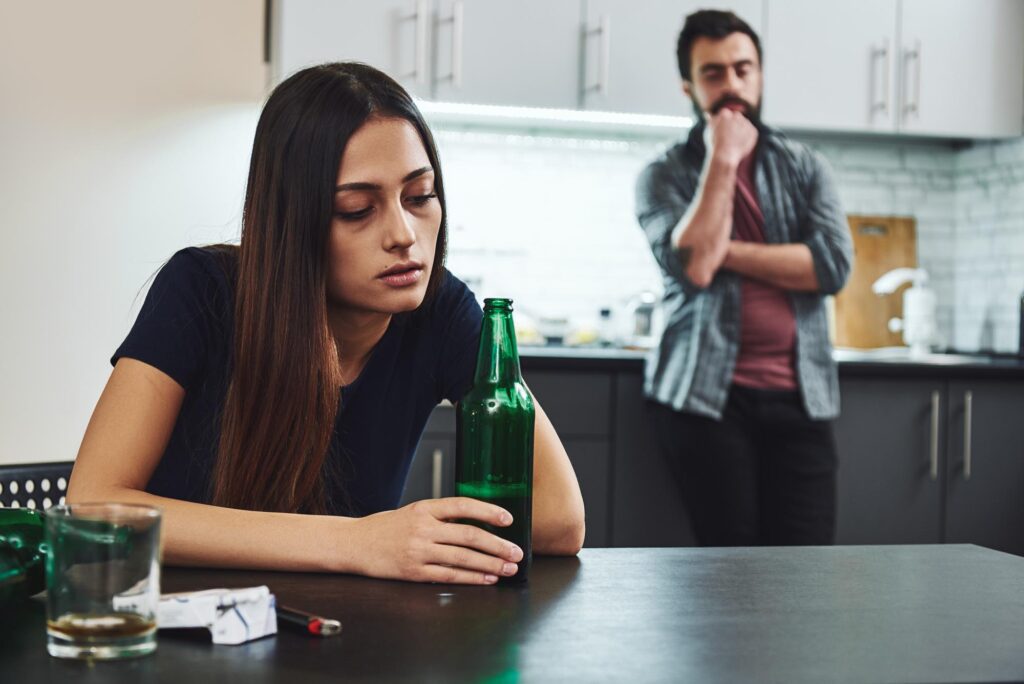
Alcohol withdrawal is unique among substances because it can be medically dangerous if not managed properly. In severe cases, it can be life-threatening.
Potential complications of unmanaged alcohol withdrawal include:
- Severe dehydration and electrolyte imbalances
- Elevated blood pressure and heart rate
- Seizures
- Delirium tremens (DTs), a medical emergency involving confusion, agitation, hallucinations, and autonomic instability
The risk of complications increases with:
- Long-term or heavy alcohol use
- A history of withdrawal symptoms
- Prior withdrawal seizures or DTs
- Co-occurring medical or mental health conditions
Because symptoms can escalate quickly, monitoring and early intervention are critical.
Common Alcohol Withdrawal Symptoms
Withdrawal symptoms typically begin 6–12 hours after the last drink, peak within the first few days, and gradually subside. However, timelines and severity vary widely.
Common symptoms include:
- Anxiety or restlessness
- Shaking or tremors
- Sweating
- Nausea or vomiting
- Headaches
- Difficulty sleeping
- Increased heart rate
More severe symptoms may include:
- Fever
- Confusion or disorientation
- Visual or auditory hallucinations
- Seizures
Symptoms can change rapidly, which is why relying on self-assessment alone can be risky.
Can Alcohol Detox Be Done at Home?

Yes—alcohol detox can be done at home safely when it is medically supervised.
At-home detox is not about handling withdrawal alone. It is about receiving structured medical care in a home setting rather than a facility. The presence of qualified professionals and clear safety protocols is what makes detox safer—not the location itself.
At-home detox may be appropriate when:
- Alcohol use has been mild to moderate
- There is no history of severe withdrawal or seizures
- The person does not have serious medical complications
- Medical professionals are actively monitoring symptoms
- There is a clear plan if symptoms worsen
Without medical involvement, detoxing at home becomes significantly more dangerous.
Alcohol Detox at Home in California: What to Know
Alcohol detox at home is legal in California, but it must be done in accordance with state medical regulations. In California, alcohol withdrawal is considered a medical condition, which means detox should be overseen by licensed healthcare professionals when it occurs outside of a hospital or residential facility.
California has clear expectations around:
- Medical assessment prior to detox
- Ongoing symptom monitoring
- Proper use of medications when indicated
- Clear protocols for emergency escalation
This is especially important because alcohol withdrawal can progress quickly, and California healthcare providers are required to prioritize patient safety when managing withdrawal symptoms in any setting.
For individuals in California considering at-home detox, the key question is not whether it’s allowed—but whether it is medically supervised and appropriately supported.
Why Detoxing Alone at Home Is Unsafe
Many people attempt to detox on their own because they believe being at home automatically makes the process safer. In reality, unsupervised detox carries serious risks.
Detoxing alone increases the likelihood of:
- Missing early warning signs of complications
- Delayed treatment during emergencies
- Inability to manage hydration, nutrition, or medications
- Underestimating symptom severity
Withdrawal symptoms can impair judgment, making it harder to recognize when help is needed. Many serious outcomes occur not because help was unavailable—but because it was sought too late.
Alcohol detox can happen at home—but it should never happen alone.
What Makes At-Home Alcohol Detox Safer
The defining factor in safe at-home detox is medical supervision.
Medically supervised in-home detox typically includes:
- A comprehensive health assessment before detox begins
- Ongoing monitoring of vital signs and symptoms
- Access to medications when appropriate
- Clear thresholds for escalating care
- Coordination with emergency services if needed
This model allows individuals to remain in a familiar environment while still receiving appropriate medical oversight.
In California, medically supervised in-home detox programs are designed to meet state standards for patient safety while allowing care to take place in a private home setting.
When Alcohol Detox Becomes a Medical Emergency
Certain symptoms should never be managed at home without immediate medical attention.
Seek emergency care if any of the following occur:
- Seizures
- Hallucinations
- Severe confusion or agitation
- High fever
- Persistent vomiting
- Chest pain or irregular heartbeat
These symptoms may indicate severe withdrawal or delirium tremens and require urgent treatment.
What to Do If Withdrawal Symptoms Worsen at Home
Even with planning, alcohol withdrawal can be unpredictable. A safety plan should always be in place before detox begins.
A responsible plan includes:
- Knowing which symptoms are warning signs
- Having emergency contacts readily available
- Ensuring regular check-ins from medical professionals
- Being prepared to escalate care early
Worsening symptoms are not a failure. They are a signal that additional medical support is needed.
Detox Is Only the First Step in Recovery
Detox addresses physical dependence—but it does not address the underlying causes of alcohol use.
Without follow-up care, the risk of relapse remains high. Ongoing recovery support may include:
- Therapy or counseling
- Structured recovery planning
- Relapse prevention strategies
- Family or peer involvement
Viewing detox as part of a broader continuum of care leads to safer outcomes and more sustainable recovery.
Learning What Safe, Medically Supported Detox Looks Like
Alcohol detox at home can be a safe and effective option when it is medically supervised. The most important decision is not whether detox happens at home or in a facility—but whether proper care and monitoring are in place.
Alcohol detox at home can be a safe and effective option in California when it is medically supervised. The most important decision is not whether detox happens at home or in a facility—but whether proper medical care and monitoring are in place.
For individuals in California exploring structured, in-home detox options, learning how medical oversight works can help reduce risk and increase confidence. Providers such as HART Recovery Care focus on delivering medically guided detox support in the home while adhering to California safety standards.