
Opiate Withdrawal Home Remedies: Understanding Why People Try Them

When someone decides to stop using opiates, it’s usually driven by something deeply personal—family, health, finances, or simply exhaustion from living this way. But the fear of withdrawal can be overwhelming. It’s painful, uncomfortable, mentally draining, and for many people, terrifying.
Because of this, many individuals search for opiate withdrawal home remedies. They want relief, privacy, affordability, or simply to “handle it on their own.” But what actually helps—and what may put someone at risk?
Below, we break down what opiate withdrawal looks like, the truth about home remedies, and when medical detox can make the process safer and more manageable.
What Happens During Opiate Withdrawal?
When someone uses opiates regularly, the brain and body adjust to having the drug in their system. Once they stop, the body has to “relearn” how to function without it, creating opioid withdrawal symptoms such as:
- Severe body aches and muscle pain
- Nausea, vomiting, or diarrhea
- Anxiety, agitation, or emotional distress
- Chills, sweating, and goosebumps
- Insomnia or restless sleep
- Intense cravings
Withdrawal isn’t just physical—it can be emotional, mentally overwhelming, and can lead to dangerous relapse risks if support isn’t available.
Opiate Withdrawal Home Remedies: What People Try — and Do They Work?
Hydration and Nutrition
Staying hydrated is critical, especially if vomiting or diarrhea is present. Broths, electrolyte drinks, teas, and small frequent meals can help. While this supports the body, it does not treat withdrawal, it simply helps someone survive it more comfortably.
Over-the-Counter Medications
People often try OTC options like:
- Anti-nausea medications
- Sleep aids
- Pain relievers
These may reduce discomfort, but they do not stabilize the nervous system or cravings. Combining medications incorrectly can also be risky, especially with pre-existing medical conditions.
Kratom, Herbal Supplements, and “Alternative” Remedies
Some people turn to substances like kratom, herbal blends, or online “detox kits” hoping they will make withdrawal easier. While they’re often marketed as “natural,” that doesn’t automatically make them safe — or effective.
- Kratom can mimic opioid effects in the brain, meaning it can sometimes delay withdrawal rather than help someone get through it. It can also lead to its own dependency, withdrawal symptoms, and health risks.
- Many herbal supplements and online detox products are unregulated, which means dosing, purity, and safety aren’t guaranteed.
- Mixing alternative remedies with over-the-counter medications, alcohol, or other substances can also increase risk.
Rather than reducing the need for care, these options sometimes create a new set of problems — or make withdrawal more unpredictable.
Rest, Support, and Comfort Measures
Blankets, warm baths, quiet space, distraction, and emotional support can make the experience less overwhelming. But again—these help comfort, they don’t medically manage withdrawal.
Medical Detox for Opiate Withdrawal — Including Safe, At-Home Options
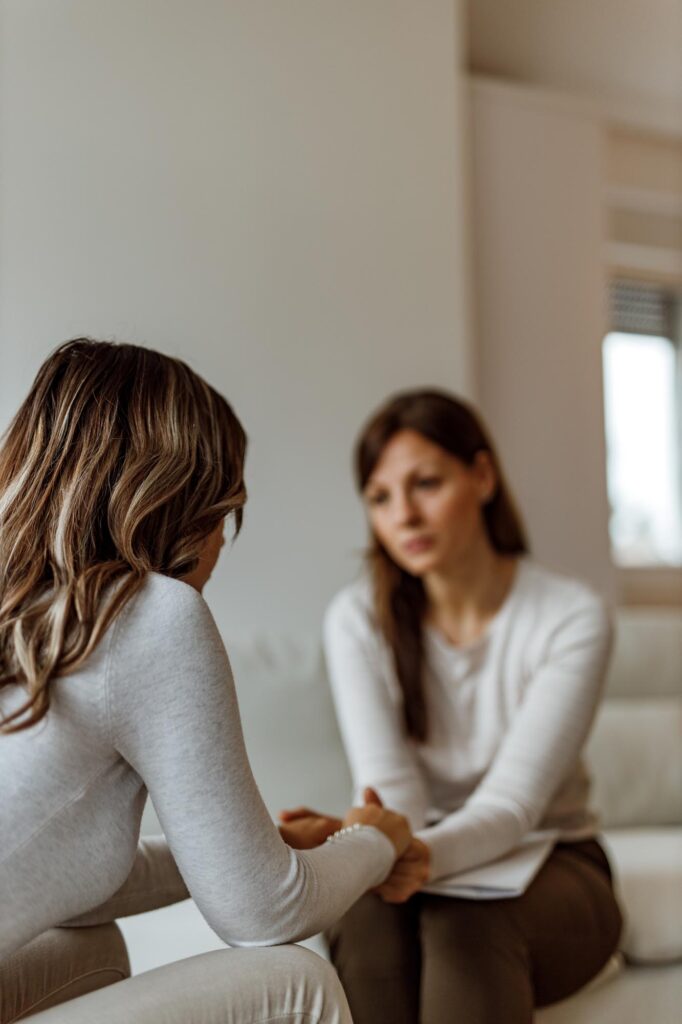
Medical detox isn’t about forcing someone into a facility. Today, many people can receive safe, clinical care right at home with licensed professionals guiding the process.
Whether detox happens in a treatment setting or at home, the benefits of medically supervised care include:
- Professional oversight and monitoring for safety
- Medication-assisted withdrawal support to reduce discomfort and stabilize the body
- Reduced relapse risk because cravings and symptoms are managed
- Compassionate emotional and clinical support
- A dignified, private experience instead of suffering in silence
Medical detox — especially when available in-home — is designed to help someone get through withdrawal with less suffering, more comfort, and far greater safety.
Are Opiate Withdrawal Home Remedies Ever Enough?
Supportive measures like hydration, rest, nutrition, and comfort can help ease discomfort, but they are not treatment. They do not stabilize the nervous system, address cravings, or lower relapse and overdose risk.
For most people, pairing supportive care with medical supervision makes the process safer, more manageable, and more successful.
How to Decide What Kind of Detox Support You Need
Consider the following questions:
- Have you tried detoxing before and relapsed?
- Do you have underlying health or mental health conditions?
- Do intense cravings usually feel hard to manage?
- Do you feel anxious or overwhelmed thinking about withdrawal?
- Do you want privacy and comfort while still being medically safe?
If any of these resonate, medically supported detox — including at-home detox with professional oversight — is often the safest and most comfortable option.
FAQs About Opiate Withdrawal Home Remedies & Home Detox
Can you detox from opiates at home?
Yes — but it should be done with professional medical supervision. Supervised in-home detox allows you to stay in your own environment while still receiving clinical support.
Are there safe opiate withdrawal home remedies?
Some comfort measures can help, but they don’t replace medical detox care. Pairing comfort strategies with supervision and medication support is often safest.
How long does opiate withdrawal last?
Acute withdrawal typically peaks within 3–5 days, though emotional symptoms and cravings may continue longer. Medical support helps ease this period significantly.
When should someone get medical help?
If symptoms become severe, dehydration occurs, mental health declines, or cravings feel unmanageable — supervised detox is recommended for safety.
Opiate Withdrawal Home Remedies: Why Medically Supervised Home Detox Can Make the Difference
No one deserves to suffer through withdrawal — and you don’t have to choose between “going it alone” and entering a facility. Medically supervised home detox provides the privacy, comfort, and dignity of home while ensuring safety, support, and compassionate care.
Hart Recovery Care offers professional, at-home detox services so you can begin healing in a safe, supported environment — without judgment, pressure, or shame.