
Medically reviewed by Dr. Belis Aladag, MD, MPH, FASAM
Trazodone and alcohol can increase drowsiness, dizziness and impairment when used together. If you take trazodone for sleep or depression, avoid drinking and ask your prescriber or pharmacist about your individual risks. A low dose or a bedtime prescription does not eliminate the interaction.
If alcohol has become part of your nightly routine, this advice may feel difficult to follow. You may worry about lying awake, feeling anxious or experiencing withdrawal. Those concerns deserve a treatment plan that addresses sleep and alcohol use together.
Why Do Trazodone and Alcohol Interact?
Trazodone is an antidepressant approved to treat major depressive disorder. Clinicians also prescribe it off-label for insomnia, meaning sleep treatment is outside its FDA-approved indication.
Both trazodone and alcohol can cause sedation and reduce alertness. Together, they can make it harder to think clearly, react quickly or move safely. The official trazodone prescribing information warns that trazodone can enhance the effects of alcohol and other central nervous system depressants.
The interaction matters even when you are taking the medication exactly as prescribed. Feeling fine after a previous combination does not establish that it is safe to repeat. People often assume that a small amount of alcohol or a low dose of trazodone makes the combination safe. One person in a Reddit insomnia community described what happened after drinking wine and then taking her usual 50 mg dose:
“Last night i had two or two and a half glasses of white wine and sometime after took 50mg (my usual) to sleep. What followed was the worst night of my life.”
She described dizziness, sweating, trouble breathing and nearly losing consciousness, even though she had combined the two before without problems. One personal account can’t show exactly what caused her reaction, but it illustrates why a previous “uneventful” experience isn’t a reliable safety test.
What Symptoms Should You Watch For?
Possible effects include:
- Unusual sleepiness or difficulty staying alert.
- Dizziness, lightheadedness or fainting.
- Slower reactions, confusion or poor coordination.
- Increased risk of falls or other injuries.
Trazodone also carries warnings about low blood pressure and abnormal heart rhythms. Tell your clinician about heart conditions and every medication or supplement you take. Combining alcohol with additional sedating substances can add further risk.
A severe reaction needs urgent attention. Trouble breathing, inability to wake up, collapse or seizures are reasons to call 911 immediately.
What If You Already Drank Alcohol After Taking Trazodone?
Do not drive or operate equipment. Avoid more alcohol and do not add nonprescribed sleep aids or other sedatives.
Contact your pharmacist, prescriber or Poison Control for advice based on what you took and how you feel. In the United States, Poison Control is available at 1-800-222-1222. Its trazodone safety guidance explains the medication’s interactions and overdose concerns.
Have the medication container ready, along with the dose, timing, approximate amount of alcohol and any other substances involved. Do not wait for a callback if emergency symptoms develop.
How Long After Drinking Can You Take Trazodone?
There is no single waiting period that makes this combination safe for everyone. Alcohol intake, medication timing, other prescriptions and your health all affect the answer.
Ask your prescriber or pharmacist what to do if you have been drinking and your next dose is due. Avoid making your own rule based on an online countdown, skipping doses repeatedly or doubling a later dose.
If this situation happens often, ask for a written plan that covers medication timing, sleep concerns and support for reducing alcohol use.
Worried about drinking, medication interactions or getting through the night without alcohol? H.A.R.T. Recovery Care can help you discuss your concerns and explore an appropriate level of care.
Does Trazodone Help With Sleep After Alcohol Detox?
Sleep can remain difficult after someone stops drinking. However, improving sleep and supporting recovery are related goals that need to be considered together.
A 2008 randomized, placebo-controlled trial studied 173 people with sleep problems after alcohol detoxification. Trazodone improved sleep quality during treatment, but participants receiving it showed less improvement in abstinent days. The researchers also observed increased drinking per drinking day after trazodone was discontinued.
This was one older study in a specific patient group. It does not show that everyone taking trazodone will drink more, and it is not a reason to stop a prescription on your own. It does support discussing alcohol history and recovery goals when choosing treatment for insomnia.
Tell your clinician if sleep changes, cravings or drinking patterns worsen after starting, changing or stopping a medication.
What Other Treatments Can Help With Insomnia?
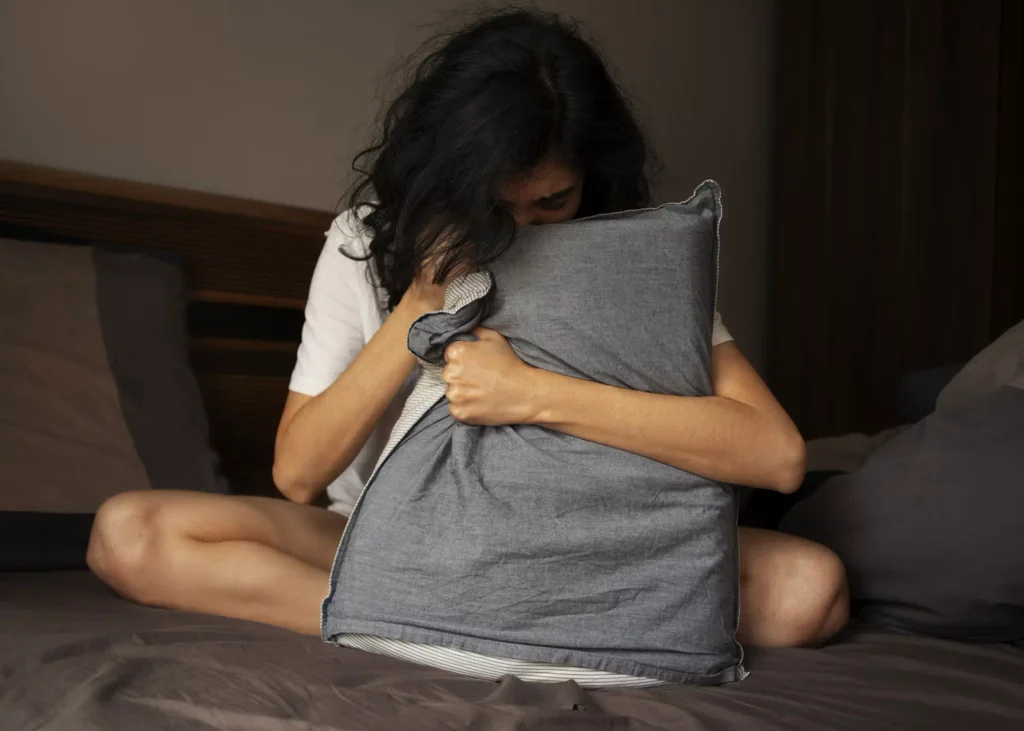
The American Academy of Sleep Medicine’s behavioral treatment guideline strongly recommends cognitive behavioral therapy for insomnia, or CBT-I, for adults with chronic insomnia.
CBT-I is a structured treatment that addresses sleep habits, time spent awake in bed and thoughts that keep the cycle of insomnia going. It involves more than general advice to relax or put away your phone.
Your clinician can help determine whether insomnia is related to alcohol use, withdrawal, depression, anxiety, another sleep disorder or a combination of factors. Medication decisions should reflect that assessment.
For more on sleep difficulties during recovery, read H.A.R.T.’s guide to sleep problems during withdrawal.
Should You Stop Trazodone If You Want to Stop Drinking?
Do not abruptly stop or change trazodone without speaking with your prescriber. Sudden discontinuation can cause symptoms such as nausea, anxiety and sleep disturbance. A clinician can explain whether to continue it, adjust treatment or reduce it gradually.
Be honest about how much and how often you drink. Your treatment team needs that information to plan care safely, including whether alcohol withdrawal monitoring is necessary.
What If You Cannot Sleep Without Alcohol?
Relying on alcohol to fall asleep is a reason to seek support, especially if cutting back brings shaking, sweating, nausea, anxiety or a racing heart.
If you drink heavily or have experienced withdrawal before, get medical advice before abruptly stopping. Alcohol withdrawal can become dangerous, including seizures and severe confusion. Trazodone is not a substitute for alcohol withdrawal treatment and should not be relied on to prevent these complications.
The American Society of Addiction Medicine’s alcohol withdrawal guideline addresses care in both outpatient and inpatient settings. It also emphasizes that managing withdrawal should connect people with ongoing treatment for alcohol use disorder.
Whether care at home is appropriate depends on your medical history, withdrawal risk, medications and available support. Some people need a more closely monitored setting.
Get Support for Sleep, Alcohol Use and Medication Safety
You deserve help with both the fear of another sleepless night and the health concerns surrounding alcohol use. A coordinated plan can address withdrawal risk, medication interactions and ongoing recovery needs.
Learn about H.A.R.T. Recovery Care’s in-home detox services in California and how an assessment helps determine whether this approach fits your situation.
Ready to discuss your options? Contact H.A.R.T. Recovery Care to take the next step toward appropriate support.